

Nightlife in Las Vegas has always been more than just gambling tables and bright lights. Long before social media and celebrity DJs became a part of the scene, there were places where music lovers gathered mostly to hear something different and feel something real. In this long history of ever‑shifting trends and sounds, underground music has played a quiet but powerful role in shaping how people in this city dance, connect, and find community. Unlike the big Strip clubs that command headlines and celebrity residencies, there is a side of Las Vegas nightlife that thrives in the shadows, where underground beats, house rhythms, and techno pulses draw in crowds who care more about sonic intensity than bottle service. This movement has evolved over decades and continues to push deeper into the culture of this desert city, fueled by dedicated promoters, local DJs, and venues that believe in the power of music first.
One of the newest influential chapters in that story is the rise of Bauhaus nightclub in Las Vegas. The history of Bauhaus nightclub begins with a concept rooted in underground culture rather than glitz. This after‑hours destination did not start as a huge flashy mega club but as a place for people who really care about sound, the crowd, and the experience. Bauhaus arrived in Las Vegas with a mission to give underground house and techno a home in a town that was already famous around the world for spectacle. With its deep bass lines, curated events, and emphasis on world‑class DJs paired with local talent, Bauhaus quickly became a focal point for fans of electronic music who wanted something authentic in a city known for excess and showmanship.
Beginnings and Expansion of Bauhaus
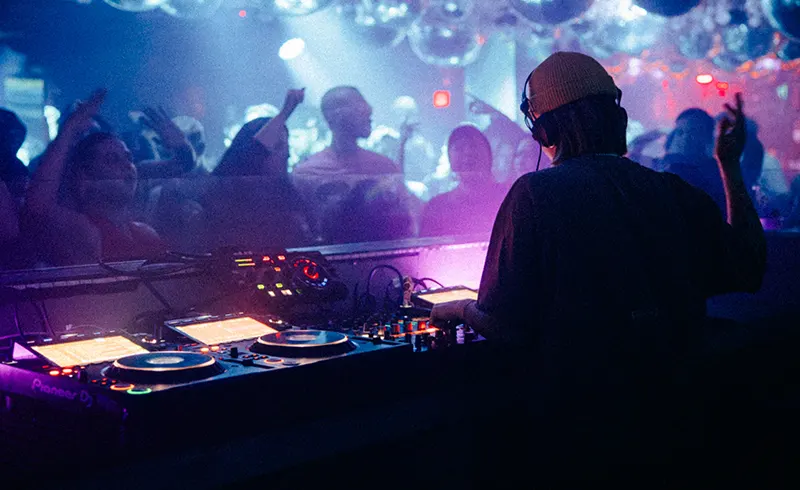
When Bauhaus opened at 115 North 7th Street in downtown Las Vegas, it became clear that the club was going to be different from the mega clubs on the Strip. Instead of dazzling light shows and celebrity residency deals, Bauhaus offered moody interiors, cutting‑edge electronic programming, and an atmosphere that invited you to feel the music rather than just watch it. In those early weeks, the club hosted events that already signaled its commitment to staying true to underground electronic music culture, with performances that focused on quality sound and deep, immersive rhythms that carried late into the night. These debut events helped set the tone for what Bauhaus wanted to be: a place where the beat dictated the night and the crowd became part of the experience.
Bauhaus in the Context of Las Vegas Nightlife
Las Vegas nightlife has changed dramatically over the decades. In the early days, casino lounges and live performers defined entertainment. As electronic dance music (EDM) began making waves nationally, the city embraced it too, with famous DJs and massive production shows drawing crowds to places that were built around spectacle and signature visual experiences. For years, many of the biggest clubs on the Strip focused on mainstream EDM and headliners with international fame. These spaces were known for energy, but also for commercial priorities that often placed music secondary to marketing, VIP status, and celebrity presence.
In contrast, the underground electronic music movement Las Vegas grew slowly and organically. Artists and fans alike wanted spaces that prioritized sound quality, long sets, and the deeper stylistic roots of house and techno music. Before Bauhaus and similar venues existed, many true underground electronic fans in Las Vegas sought events off the beaten path. These parties sometimes took place in warehouses, smaller venues in the Arts District, or even in desert raves outside the city. Though not always widely publicized, these spaces were essential in building a devoted community around non‑commercial electronic music. Fans who remember underground raves from years past often describe them as raw, free from glamor, and centered on dance culture in its purest form.
What Makes Bauhaus Unique
Bauhaus stands out because it carries forward the underground ethos in a city where entertainment is usually about visual spectacle. Its focus on house and techno music with quality sound, intimate crowd dynamics, and extended hours allows DJs to work with deeper, richer sets that are less about hype and more about musical flow. Because Bauhaus often books a mix of international talent and local heroes, it draws a diverse crowd that shares a passion for the culture rather than just the image. This approach has helped Bauhaus not just survive but thrive in a city where nightlife options can easily feel interchangeable.
The Future of Underground Electronic Music in Vegas
Bauhaus has helped shine a light on the fact that Las Vegas has room for both sides of nightlife culture. On one hand, there will always be the massive venues with lights and celebrity names. On the other hand, there is a growing appreciation for spaces where underground electronic music can breathe and evolve. As more fans seek authentic experiences, the underground electronic music movement Las Vegas continues to grow, supported by venues like Bauhaus that understand the needs of true music lovers.