

Detroit, 1985: Where the History of Techno Music Begins
Three young Black men in suburban Detroit. Juan Atkins, Derrick May, Kevin Saunderson — the Belleville Three. Detroit in the mid-1980s was in systemic collapse: the automotive manufacturing base was disappearing. As Wikipedia’s thorough account of techno’s origins details, these artists fused the electronic precision of Kraftwerk with the soul of Parliament-Funkadelic and the energy of early Chicago house — creating something that sounded like the future arriving too fast in a place not ready for it.
Juan Atkins released the first acknowledged techno records under his Model 500 alias. Derrick May’s label Transmat produced ‘Strings of Life’ — widely considered one of the most important tracks in the genre’s history. The history of house music and early techno are deeply intertwined — both genres developing simultaneously while heading in different emotional directions.
The Underground Spreads: Chicago, New York, Europe
By the late 1980s, the music Detroit was making had reached the UK and Europe, where it would be carried forward for decades. FACT Magazine’s deep dive into techno history traces this path precisely — from Detroit basements to UK warehouse raves to the emergence of Berlin as the genre’s European capital after German reunification in 1990.
The Berlin Era: How Techno Built a City's Cultural Identity
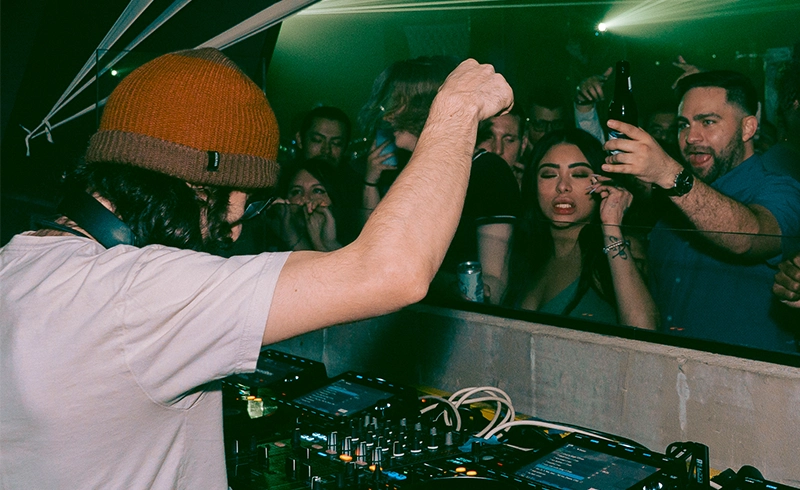
What happened in Berlin in the 1990s is one of the most remarkable cultural stories of the late twentieth century. Berghain — the club that became a global institution — emerged from this era: a former power plant turned nightclub that applied the Detroit model with uncompromising rigour. No photography. Hours running through the weekend. DJs playing 6–8 hour sets. Music as the only product.
Bauhaus Las Vegas draws on this same tradition. Read about the evolution of techno in Las Vegas to understand how the city’s own underground scene developed.
The Global Underground: Detroit's Music in Every Continent
Through the 1990s and 2000s, techno spread globally while maintaining its underground character in the rooms that mattered. Artists like Jeff Mills, Robert Hood, and Underground Resistance in Detroit; Carl Craig bridging techno and jazz; Ricardo Villalobos and Richie Hawtin developing minimal techno. Resident Advisor’s archive of techno features documents this global expansion in extraordinary detail — the culture moving from city to city while preserving the values that made it significant.
Each generation extended the history of techno music rather than repeating it. The pioneers of electronic music who followed the Belleville Three understood that the genre’s power came from its restlessness and refusal to settle into formula.
Las Vegas Enters the Story
Away from the casino corridor, venues began building music-first rooms that could support what underground techno requires: serious sound systems, long sets, audiences who came for the music. Bauhaus Las Vegas represents the maturation of this story in the city — a venue that understands the history and has built something in downtown Las Vegas that belongs in the global techno lineage.
Read more about why underground techno is growing in Las Vegas nightlife to understand the full scope of the scene. The history of techno music is still being written — come and be part of the Las Vegas chapter. Check upcoming events at Bauhaus here.