

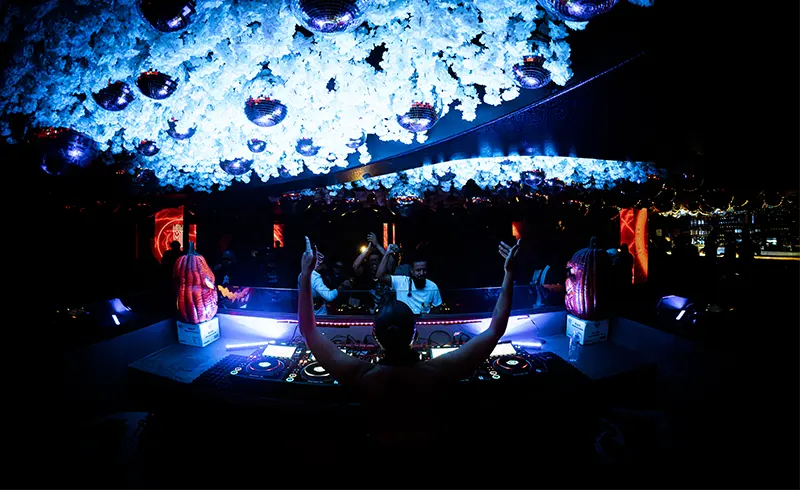
Las Vegas has two club scenes, and most people only find one of them. The Strip is loud, flashy, and designed for bottle service photos. But underground nightlife in Las Vegas runs on something entirely different: raw music, real crowds, and nights that don’t follow a script. If you’ve ever left a Vegas club feeling like you paid too much and danced too little, it’s time to understand what you’ve been missing.
The underground scene is growing, with electronic music events drawing dedicated crowds of locals and travelers who want more than a celebrity DJ playing top 40 remixes. Knowing the difference changes how you experience this city entirely.
What Defines Underground Nightlife Las Vegas
Underground clubs are not just smaller versions of mainstream venues. They operate on a completely different philosophy.
The Music Comes First
In an underground setting, the DJ is not a celebrity cameo. They are the main event. Sets run deep, long, and intentional, built around genres like house and techno that reward a crowd willing to actually listen and move. There are no hype men, no countdown clocks, no confetti cannons. Just music that builds and takes you somewhere.
Mainstream clubs, by contrast, often book recognizable names to fill tables, not floors. The music serves the brand, not the experience.
The Crowd Is Different
- Underground crowds show up for the music. They know the DJ, they know the genre, and they're there to dance from hour one to the final track.
- Mainstream club crowds often arrive for the spectacle. The room, the lights, and the social media moment matter as much as what's playing.
Mainstream Clubs Las Vegas: What You're Actually Getting
Mainstream clubs Las Vegas operate as full entertainment productions. They’re impressive, they’re polished, and they’re designed to generate revenue at every touchpoint. Here’s what that looks like in practice:
The Mainstream Club Formula:
- Book a famous DJ or celebrity host
- Sell table minimums starting at several hundred dollars
- Design the room for visibility, not acoustics
- Play recognizable hits to keep casual guests comfortable
- Clear the room by 2 AM
There’s nothing wrong with enjoying that formula. But it’s a product, not a culture.
How the Underground Scene Actually Works
Understanding underground clubs means understanding what they are built around.
Entry and Atmosphere
Underground venues tend to keep things stripped back. Less velvet rope, less dress code theater. You get in based on intent, not appearance. The atmosphere is darker, more immersive, and built to serve the dance floor instead of the bar tab.
The Hours Are Different
This is one of the biggest practical differences. Late night techno parties Las Vegas often run well past standard club closing times. Underground venues operate as after-hours spaces where the night builds rather than winds down. The best moment of the night might hit at 4 AM, not midnight.
The Sound Systems
Underground clubs invest in sound. A properly tuned sound system in a smaller room can feel more powerful and precise than a massive mainstream venue. This matters when the entire experience is built around music.
Why Downtown Las Vegas Holds the Underground Scene
The Strip was not built for underground culture. Its venues are designed for maximum occupancy and revenue per square foot. Downtown Las Vegas operates differently. The venues are smaller, the operators take more creative risks, and the crowd skews toward people who already know what they’re looking for.
Local Loyalty
Locals drive the underground scene. They come back weekly because the experience is consistent and musically honest. That loyalty creates a community that mainstream venues rarely build.
Artist-Driven Programming
Downtown venues book based on sound, not name recognition. That means you discover artists before they’re famous and experience sets that feel personal rather than performed.
Is Underground Nightlife Right for You?
Ask yourself these questions before you book:
- Do you care more about the DJ lineup than the bottle service menu?
- Are you willing to stay out past 3 AM for the right set?
- Do you want to dance in a crowd that's there for the same reason you are?
If yes, underground nightlife in Las Vegas is exactly what you’ve been looking for.
Conclusion
Mainstream clubs deliver a polished, predictable Vegas night. Underground clubs deliver something harder to explain but easier to feel. The difference is not about bigger or worse. It’s about what you’re actually after. Underground nightlife Las Vegas is for people who want the music to lead and the night to surprise them.
If that’s you, there’s one place in downtown Las Vegas built entirely around that experience.
Experience Bauhaus this weekend and find out what a night built around music actually feels like.
Or explore the lineup and plan your night at Bauhaus Vegas before the weekend sells out.
Facebook
Twitter
LinkedIn
WhatsApp
Frequently asked questions
What is underground nightlife Las Vegas?
It refers to club experiences centered on electronic music genres like house and techno, typically in intimate venues with after-hours programming and music-first culture rather than celebrity bookings or VIP packages.
How is Bauhaus Vegas different from Strip clubs?
Bauhaus Vegas focuses on underground electronic music and after-hours culture in downtown Las Vegas. It’s about the music and the crowd, not bottle service or celebrity DJs.
What music does Bauhaus Vegas play?
Bauhaus Vegas specializes in house and techno, featuring local and international DJs who curate deep, intentional sets designed to keep the dance floor moving all night.
What time do underground clubs in Las Vegas close?
Many underground and after-hours venues run until 4 AM or later. The experience often peaks in the early morning hours rather than at peak mainstream club times.
Are late night techno parties in Las Vegas common?
They’re growing. Downtown Las Vegas, in particular, has developed a strong after-hours electronic music culture that attracts both locals and visitors.
Why do locals prefer underground clubs in Las Vegas?
Underground venues offer consistent music quality, community feel, and longer hours without the high price tags and tourist-focused programming of Strip clubs.