

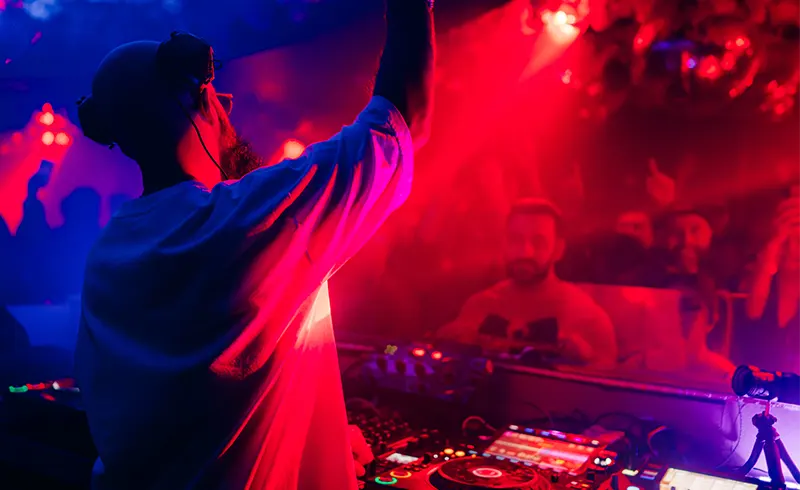
You’ve seen the name on a flyer, spotted it on an Instagram story, maybe heard it dropped in conversation at a club: “He’s got a residency.” But what does that actually mean? A DJ residency in Las Vegas isn’t just a gig. It’s a statement. It’s a long-term commitment between an artist and a venue that shapes the sound of a city known for turning nights into legends.
Vegas doesn’t just book DJs; it builds relationships with them. And right now, those relationships are more competitive, more creative, and more culturally significant than ever before.
What Exactly Is a DJ Residency?
A DJ residency is a recurring booking arrangement where a DJ performs at a specific venue on a regular schedule, weekly, bi-weekly, or monthly, over an extended period, typically six months to several years. Unlike a one-off show, a residency gives a DJ a home. A stage that becomes associated with their name. A crowd that grows with them.
Key elements of a residency contract typically include:
- Performance frequency and minimum guaranteed dates
- Exclusivity clauses (limiting performances at competing venues)
- Promotional obligations and social media commitments
- Base fee plus performance bonuses tied to ticket sales or door numbers
- Travel, accommodation, and technical rider requirements
Why Las Vegas? The Residency Capital of the World
The Economics Behind the Stage
The Cultural Shift Happening Right Now
Types of DJ Residencies in Las Vegas
The Strip Superclub Residency
The Boutique Club Residency
The Underground Residency
Smaller, more intimate venues focused on authentic electronic music culture. These residencies are often the most artistically driven, and increasingly, the most respected by serious music communities. No pyrotechnics. Just the music doing the work.
What Do Venues Look for in a Resident DJ?
Getting a residency isn’t just about being talented. Venues evaluate potential resident DJs on several factors:
- Drawing power: Can you bring a consistent crowd? Not just opening night, but six months in?
- Brand alignment: Does your sound and image fit the venue's identity?
- Professionalism: Are you reliable, promotable, and easy to work with?
- Social presence: In 2026, your online following is part of the pitch. It drives sales
- Musical consistency: Can you read a room and deliver night after night without going stale?
For underground venues specifically, authenticity matters enormously. Resident DJs are expected to understand the culture, respect the crowd, and elevate the space, not just show up and play a playlist.
The Underground Scene Is Rewriting the Residency Playbook
Why Community-Driven Residencies Are Rising
This is exactly where spots like Bauhaus Vegas enter the picture. Located in downtown Las Vegas, Bauhaus has built its reputation around immersive underground electronic music experiences. Its residency model is focused on world-class local and international DJs who genuinely connect with the music.
This is exactly where spots like Bauhaus Vegas enter the picture. Located in downtown Las Vegas, Bauhaus has built its reputation around immersive underground electronic music experiences. Its residency model is focused on world-class local and international DJs who genuinely connect with the music.
Looking Ahead: Vegas DJ Residency 2026 Trends
- Genre diversity is expanding. Techno, afro house, melodic house, and b2b formats are landing residency deals that would have been harder to pitch five years ago.
- Shorter, more flexible contracts. Venues are experimenting with quarterly residency structures to keep lineups dynamic while still building audience familiarity.
- Underground venues are gaining ground. As travelers seek more authentic experiences beyond the Strip, downtown and off-Strip venues are seeing increased demand.
- Artist-as-partner models. Some forward-thinking venues are moving beyond flat fees, offering resident DJs equity-adjacent arrangements, profit sharing tied to night performance.