

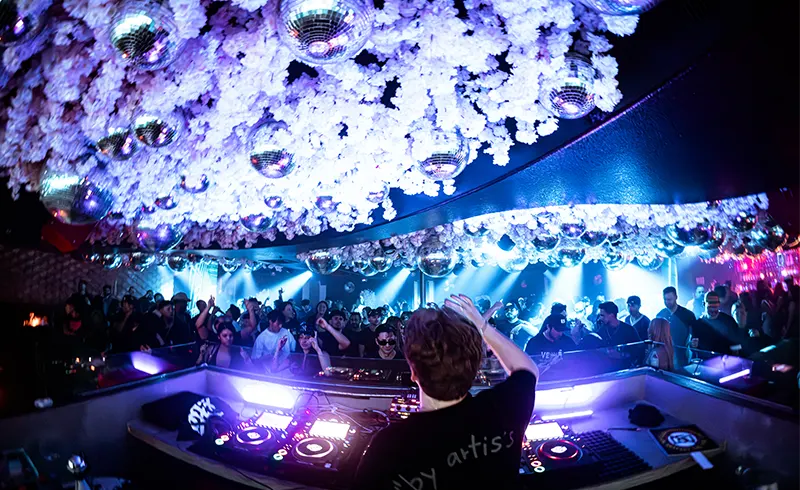
Being a Las Vegas DJ isn’t just about pressing play. It’s one of the most demanding, high-stakes performance roles in the entertainment world, and Vegas raises the bar higher than anywhere else. The crowds are sharper, the expectations are bigger, and the competition? Relentless.
The Skill Set Behind the Spotlight
It's More Than Music Knowledge
- Reading the room, sensing the crowd's energy before they even know where they want to go
- Seamless transitions blend tracks so naturally that the crowd never loses momentum
- Technical precision beatmatching, EQ control, and effects all happen in real time under pressure
- Set architecture building tension, releasing it, building again. It's storytelling through sound
The Technical Side Nobody Talks About
Behind every flawless set is a lot of preparation that happens way before showtime. Most top-tier DJs spend hours organizing their library, creating new records or digital tracks, and rehearsing transitions. They’re also expected to troubleshoot gear on the fly because in a packed nightclub, there’s no pause button.
What Las Vegas Clubs Actually Look For
More Than a Demo Mix
| What Clubs Evaluate | Why It Matters |
|---|---|
| Genre consistency | Fits the club’s brand and crowd |
| Crowd engagement history | Proven ability to keep people on the floor |
| Social media presence | Helps clubs market their nights |
| Professionalism & reliability | Vegas runs on reputation |
| Flexibility with booking | Late sets, extended sets, last-minute changes |
Landing a regular slot at a nightclub DJ Las Vegas venue isn’t just about talent; it’s about trust. Promoters and club directors want someone who can deliver on a Friday and a Saturday, week after week.
The Residency Game
- Years of local gigging and building a following
- Guest spots that prove your pull
- A clear artistic identity that aligns with the club's DNA
- Networking within the industry (relationships matter enormously here)
The Pressure of the Las Vegas Stage
Playing to a Vegas Crowd Is a Different Beast
- Tourists experiencing nightlife for the first time
- Locals who've seen hundreds of sets and have zero patience for mediocre ones
- Industry regulars who know exactly what a well-crafted transition sounds like
- International guests with completely different musical reference points
Underground vs. Mainstream: Two Different Worlds
The Mainstream Club Circuit
The Underground Scene
This is where things get genuinely interesting. Nightclub DJ Las Vegas performers in the underground circuit operate differently. The focus is purely on music; longer sets, deeper cuts, building a journey over four, five, sometimes six hours.
Building a Career as a Las Vegas DJ
Nobody walks into a headline slot. The path usually looks something like this:
- Early Stage: Playing house parties, small bars, open decks, building muscle memory, and developing a sound
- Mid Stage: Securing support slots, building a local following, getting known within the scene
- Breakthrough: A standout guest set, a viral mix, or the right connection at the right moment
- Sustained Career: Residencies, touring, releases; the full picture of a working DJ
What Separates Good From Great
Conclusion
Check the Bauhaus Vegas event lineup and grab your spot before it sells out.